 Bank Zenit
 Renaissance Bank
 LOCO-Bank
 T-Bank
 Bank Sinara
 Credit Europe Bank





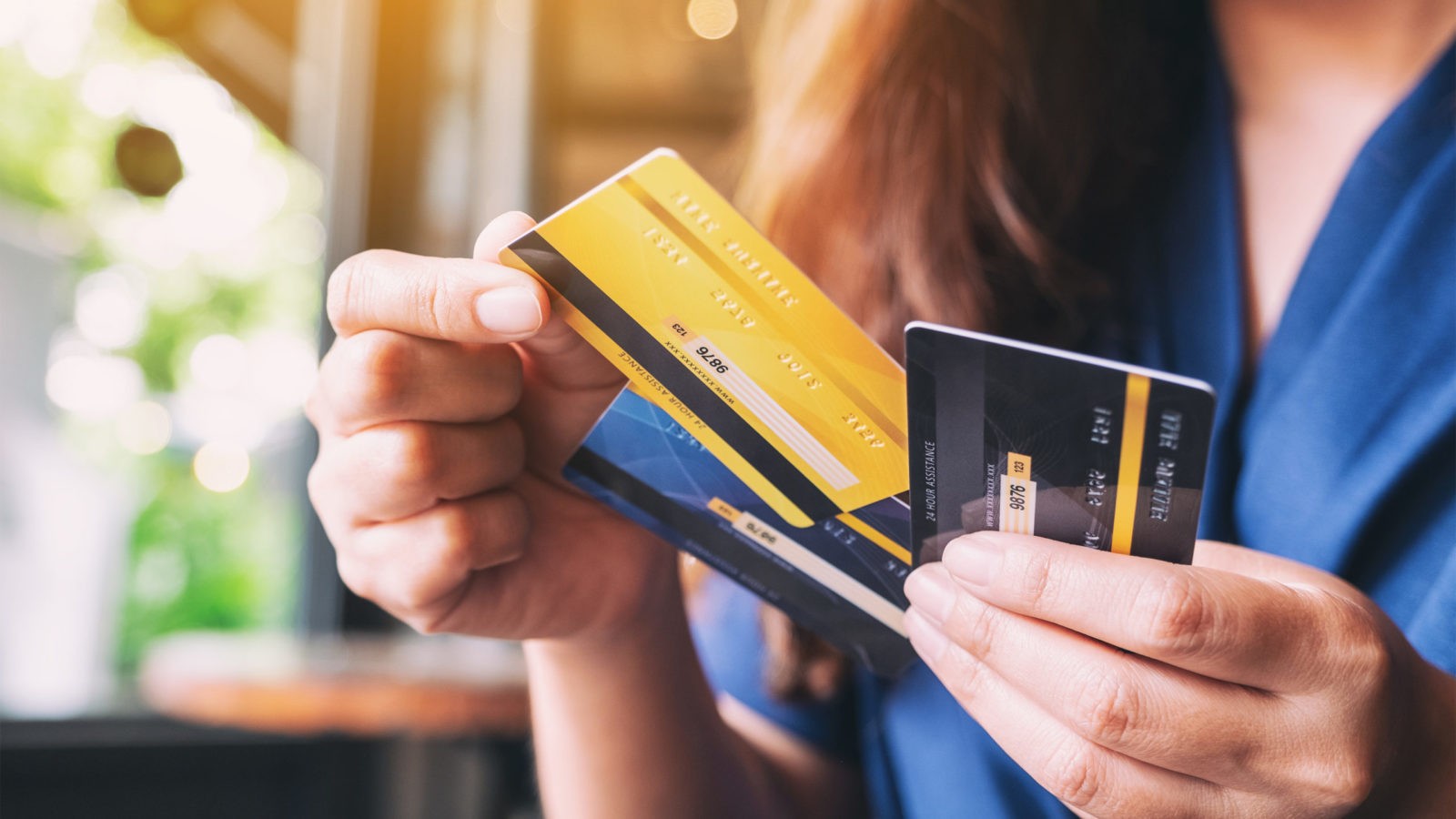
What embossed and non-embossed cards are

What is embossing
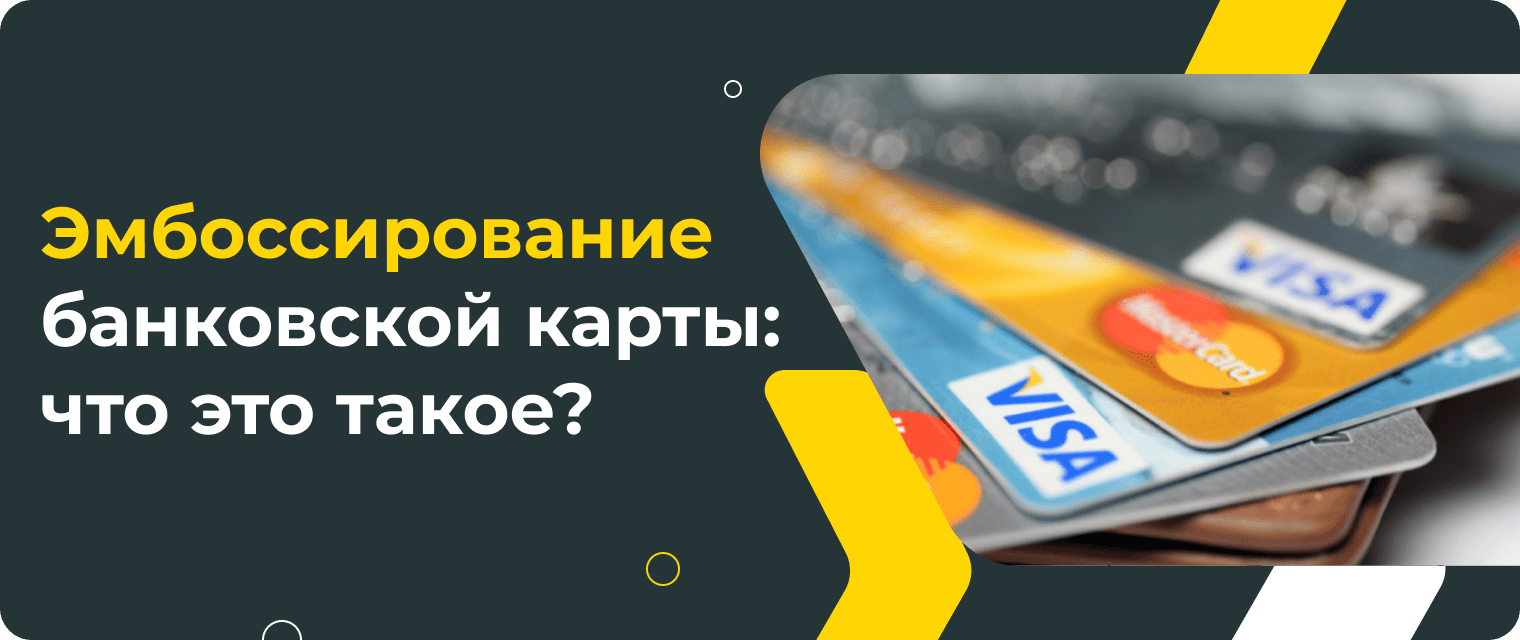
Card embossing refers to the process of personalizing a banking product by stamping information about the cardholder and other auxiliary data on it. Due to this method, the surface of the plastic becomes convex and is noticeably tactile compared to regular plastic.
The first steps in embossing were noticed as early as the beginning of the 20th century, when the customer's address was specially stamped on metal plates in stores. This significantly sped up the payment procedure, and in case of loss of the goods, the owner could be found quite easily.
In 1940, the embosser was invented, allowing embossed information to be transferred to a paper receipt. Today, a special machine is used for embossing, which applies characters to the plastic surface.
This method is used to mark not only bank cards, but also gift certificates, business cards, corporate store cards, and pharmacy loyalty cards.
What data is applied to the plastic
Embossed characters are applied to the front of the card, where the cardholder's details are stamped. Information on the back is not embossed (this applies to CVV codes). Additionally, Mir, Mastercard, and Visa cards remain unembossed and without system designations.
Credit and debit cards may contain the following information:
- the user's last and first name in Latin characters;
- the card number, containing 16 or 18 digits;
- expiration date;
- the name of the financial organization that owns the card.
If a person applies for a payroll card, the front may be embossed with the name of the institution where they work.
Подберем предложения под вашу ситуацию
Оставьте телефон — покажем варианты с высокой вероятностью одобрения и актуальными условиями.
- Проверенные предложения
- Без звонков от менеджеров
- Результат в удобном канале
What is the difference between embossed and unembossed cards
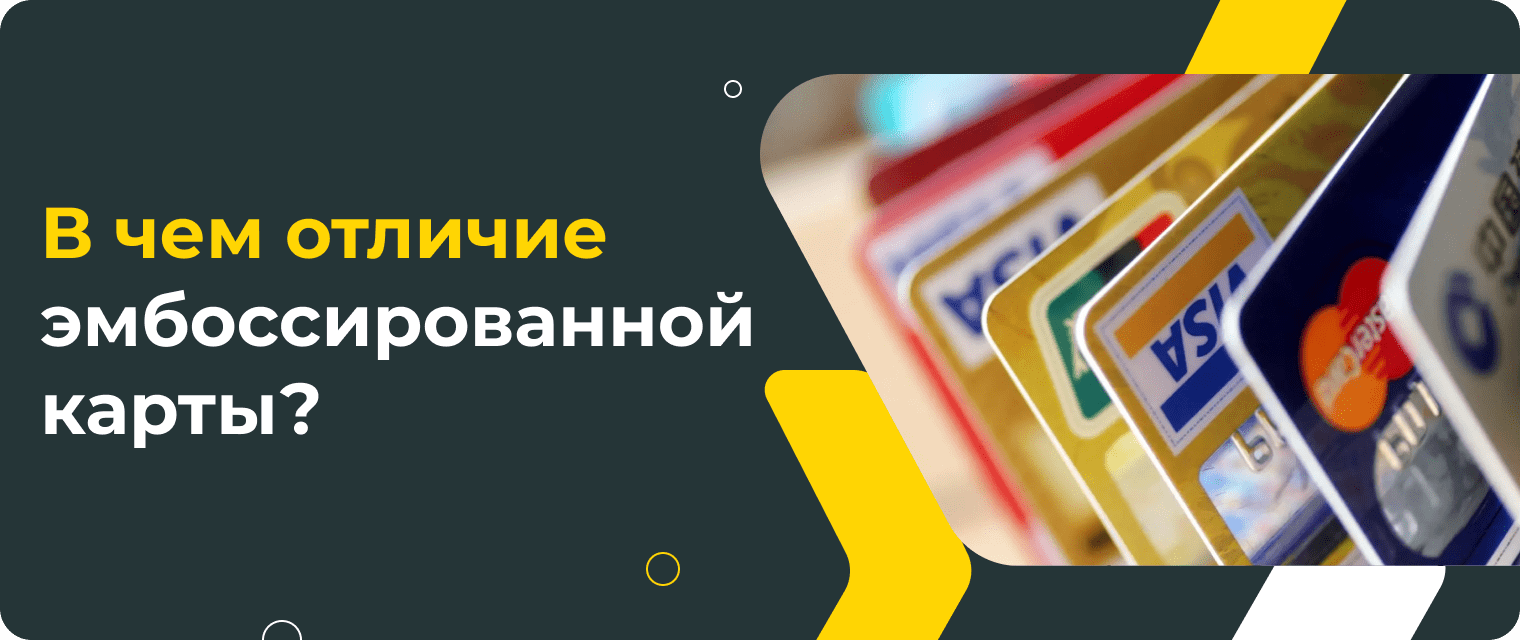
The main difference between embossed and unembossed cards lies in the marking mechanism and the user's tactile experience. An unembossed card is completely smooth and flat, without any bumps. An embossed card features raised letters and numbers on the front.
These cards are similar in that both contain information about the cardholder: card numbers, expiration dates, as well as a chip and magnetic stripe.
Embossed and unembossed cards can be compared across several parameters:
- Production time. Embossed plastic is produced within 2-7 days, and in some cases, issuance takes several weeks. Unembossed plastic can be issued immediately on the day of application to the bank.
- Data protection level. An embossed card is considered more secure, while an unembossed plastic card is easily counterfeited because the data is less protected.
- Payment method. There is no difference between the two cards. They can be used without restrictions to make any payments.
- Prestige. An embossed product is considered more elite.
- Overseas payments. Embossed plastic is considered more reliable for travel and is recommended to take on trips.
Raised characters on the card surface are not just a design feature. Embossing offers certain advantages, such as helping you feel more protected against fraudulent activity. The likelihood of counterfeiting is minimal, as characters can only be stamped by a special device called an embosser. Such a device is quite expensive, making counterfeits very costly.
Engraving applied with an embosser lasts a long time, whereas information printed on a card can eventually wear off and become unreadable. Embossed plastic is not subject to such changes. If the information wears off, the raised characters can still be identified.
It is worth noting that an embossed product costs more. Raised golden letters look prestigious. Many banks issue such cards to attract the attention of high-status clients. Such plastic is also recommended for people with disabilities, specifically the visually impaired, as they can easily read the raised numbers and letters by touch.
How values are applied
Card embossing is carried out in compliance with specific rules and requirements. Guidelines regarding fonts, the number of characters, and their placement are strictly taken into account when issuing bank products.
The height of the small font must be no more than 3 mm, and the large font no more than 4.5 mm. The small font is used for letters and special characters, while the large font is used exclusively for numbers. The maximum number of stamped characters on one side of the card is:
- for small font – no more than 30;
- for large font – no more than 20.
Embossed characters must not completely or partially obscure information on the card. Margins from the edges of the plastic must be at least 5 mm, with the same margin required from the magnetic stripe and the cardholder's signature.
After embossing, characters are specially colored, covered with foil, or coated with film. This procedure is also known as tipping. Tipping is used to highlight embossed elements and make them stand out against the background. Most often, characters are colored in gold or silver shades. Other colors are used much less frequently.
Advantages and disadvantages of embossed cards
Despite the fact that the embossing process is considered quite costly, it pays off. The advantages of an embossed card include the following:
- the card has a stylish, upgraded appearance;
- no special equipment is required to read the information;
- the embossed card is personalized for a specific client;
- raised characters provide reliable security.
Such plastic is much harder to counterfeit. Security mechanisms are developed by designers and engineers using modern technology. Despite a number of advantages, embossed cards also have disadvantages, which include: the inability to mass-produce this type of plastic and the high cost of the production process.
Fee-free withdrawal up to RUB
Up to %
Cashback type —
Cashback —
Fee-free withdrawal up to RUB
Up to %
Cashback type —
Cashback —
Fee-free withdrawal up to RUB
Up to %
Cashback type —
Cashback —
Other posts