 Bank Zenit
 Renaissance Bank
 LOCO-Bank
 T-Bank
 Bank Sinara
 Credit Europe Bank





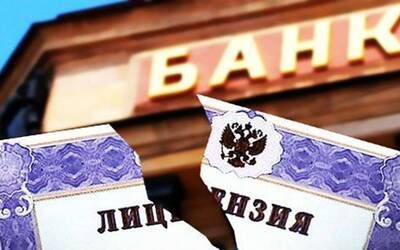
What to do with a credit card if the bank's license has been revoked

If there is no debt on the credit card
In addition to credit funds (the card limit), the credit card account may hold the client's personal money. Bank bankruptcy automatically closes access to the account: cash withdrawals, transfers, payment for goods and services — these and other operations are blocked. If there is no debt on the credit card, its holder should take the following steps:
- Wait for information from the Deposit Insurance Agency (DIA) — data on the start of payouts is publicly available within 14 days after the insured event occurs.
- Verify the name of the agent and contact this organization with an application.
- Wait for the funds to be transferred — the cardholder chooses a convenient way to receive the funds.
Money held in debit and credit card accounts is insured by the DIA. The maximum compensation amount is 1.4 million RUB. You can apply for the return of your own funds within two years from the date the issuing bank's license was revoked.
What to do if there is a debt on the credit card
The credit limit consists of the lender's funds provided for the use of the client — the credit card holder. The loan remains valid after the bank's bankruptcy, and the borrower must return the previously received funds. The lender may change several times, but this circumstance does not affect the obligation to repay the loan in any way.
A similar rule applies to credit card debt: the debt does not disappear anywhere, and if the client evades paying it, the final amount will increase. At the same time, a reasonable question arises — if the card is inactive, how and where should the funds be transferred?
Step 1 — Wait for information from the interim administration
From the date of the revocation of the lender's license until the arbitration court decides to declare it bankrupt, the debt is paid using the payment details provided by the interim administration. You can clarify them on the official website of the liquidated bank and on the DIA website.
After the arbitration court makes a decision, clients can check all information on the DIA website. To do this, simply open the "Banks" section, find the relevant bank, and obtain the accounts for repaying obligations on the card. You can also find information about the bankruptcy trustee (liquidator) here.
Step 2 — Repayment of the debt
Closed banks expect the repayment of loan debt for another reason: debt obligations are part of the bankruptcy estate, and the claims rights to them can be transferred to a new lender.
Paying off the debt in the usual way will not work because the card account to which money is credited will be blocked. The Payment Portal, a resource belonging to the Deposit Insurance Agency, is also used for payment.
The debt repayment schedule (in a single payment or in installments) is set individually — it depends on the specific case and the amount of debt owed to the bank. Large debts are paid according to a payment schedule. If the debt is insignificant, the client repays it in a lump-sum payment.
Step 3 — Disposal of the bank card
By agreement with the credit organization, the debt is paid in the form specified by the bankruptcy trustee. The bank card itself ceases to be valid from the moment the license is revoked, so it has no value for the client.
Formally, the physical medium is the property of the bank, and there is an opinion that it needs to be returned. In practice, this approach is not entirely correct. The bank ceases to exist, so after the Central Bank of the Russian Federation makes the relevant decision, the credit organization's offices close. If the client decides to return the card, they will not be able to do so. For this reason, it is recommended to dispose of the plastic card.
We will find offers tailored to your situation
Leave your phone number, and we will show you options with a high approval probability and current terms.
- Verified offers
- No calls from managers
- Results delivered through your preferred channel
Is it possible not to pay a credit card debt?
It is quite common for clients to decide not to pay off their debt due to the bank's bankruptcy. No lender — no debt: this is exactly how some credit card holders reason. For some time, the client may not receive any notifications. The bankruptcy trustee is obliged to send debtors letters with details on debt repayment. Detailed information is also posted on the official website of the bank — the internet resource remains accessible so that clients can obtain the data they are interested in.

The credit card holder may ignore all these points, deciding that over time the creditors will forget about them and their debt. Such a decision is wrong for the following reasons:
The amount of debt will grow — interest, fines, penalties, and other conditions remain in effect.
The lender who has assumed the rights of claim will have grounds to go to court for the forced recovery of the debt.
A small amount of debt can grow to quite significant proportions, so obligations must be fulfilled on time. There are cases when creditors fail to achieve debt repayment from the debtor and do not go to court. The statute of limitations expires, after which the borrower is released from responsibility. This is an exception to the rule that should not be relied upon. You also need to remember your credit history, which reflects an individual's obligations and any overdue payments.
0% for 10 years
From 0 %
Limit - up to 500000 RUB
Период - 0 дней

Срок кредита до 7 лет
From %
Лимит - до 3000000 ₽
Минимум - от 1000 ₽

Срок кредита до Уточняется
From %
Limit - up to RUB
Minimum - from RUB
Other posts