 Bank Zenit
 Renaissance Bank
 LOCO-Bank
 T-Bank
 Bank Sinara
 Credit Europe Bank





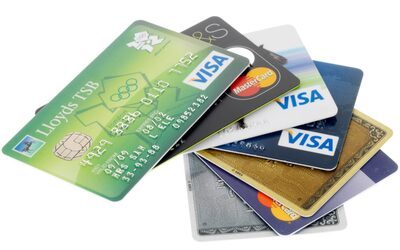
What is CVC2/CVV2 on a bank card

What is the CVC2/CVV2 code
When issued, a bank card has several default levels of protection against unauthorized access to funds in the account. These include:
- PIN code, which identifies the cardholder during offline operations.
- Card embossing. That is, the stamping of bank details on its front side.
- Two-factor authentication — confirmation of an operation with a one-time customer code.

Another level of bank card protection against unauthorized money withdrawals from the account is CVV2/CVC2. Since the system cannot identify the payer when paying for goods and purchases over the internet, it requests a security code to confirm that the purchase is indeed being made by the bank cardholder.
Such details exist for every payment system except Maestro:
- the Visa payment system uses CVV2 (Card Verification Value);
- MasterCard uses CVC2 (Card Verification Code);
- American Express uses CID (Card Identification);
- MIR uses CVP2 (Card Verification Parameter).
You must understand that the only difference between these codes is their acronyms — the technical specifications are the same.
Note.
In addition to CVV2 and CVC2, there are other groups of code combinations: CVC/CVV, embedded in the magnetic stripe and invisible to our eyes, and CVC3/CVV3, embedded in the contactless payment chip.
Where CVC2/CVV2 is located on the card
Bank cards may have different designs, but key elements are always placed on them in the same way. This also applies to CVC2/CVV2. It is located on the back of the card under the magnetic stripe, next to the cardholder's signature panel. It is impossible to confuse the security code with any other, because in Russia it is always three digits.
There are also cards that do not have a security code. This applies, for example, to entry-level debit cards that are simply not intended for making purchases in online stores, and therefore their holder does not need CVC2/CVV2.
Подберем предложения под вашу ситуацию
Оставьте телефон — покажем варианты с высокой вероятностью одобрения и актуальными условиями.
- Проверенные предложения
- Без звонков от менеджеров
- Результат в удобном канале
How and where the code is used
Security codes are widely used and required for almost any online transaction:
- when paying for goods and services in online stores;
- when transferring money via electronic wallets;
- for online transfers;
- for transactions made via a call center.
Transactions are confirmed by entering a security code as follows: after selecting goods and services, the customer proceeds to checkout by filling in the details on the seller's website. This includes card details: its number, expiration date, cardholder name, and CVC2/CVV2. Next, the website automatically redirects the user to the transaction confirmation page to enter a one-time SMS customer code. If the details were entered correctly and there are sufficient funds in the account, the money is debited from the card in favor of the seller, and the transaction is considered successfully completed.
How to find out CVC2/CVV2 for a virtual card
A virtual bank card is similar to the physical plastic cards we are used to. That is, you can use it to make transfers, pay bills, or shop in online stores just as easily. The only difference is that since there is no physical medium, the customer can find all the necessary details only in their online banking account or mobile app.

Specifically, you can find the CVC2/CVV2 for a Sberbank virtual card as follows:
- On the main page, find the required card and click on it.
- In the window that opens, select the "Details and Statements" section.
- Next, click on "Card Information".
- The security code will be displayed as a three-digit combination.
How to protect yourself from fraudsters
Even despite the multi-step protection of bank cards, their owners still fall victim to fraudsters. Therefore, we have prepared a short list of security measures to help protect you from unauthorized withdrawals from your account:
- Never write down the security code on a piece of paper, let alone save it on your phone, and do not keep the written code near your bank card.
- Try not to take photos of your bank card or send them via social media. If you happen to pick up a virus on your phone or even lose it, this information will be enough to drain your account.
- Never share your full card details with third parties, not even with bank employees who contact you by phone. This information is confidential and cannot be disclosed even to them.
Note.
If a bank employee insists that you dictate the CVC code to them, you can be sure you are talking to a fraudster. The only thing you need to do in such a situation is to hang up.
FAQ
Can a bank employee ask for a security code?
No, CVC2/CVV2, like a one-time customer code, is confidential information. Bank employees know this and will under no circumstances request these details.
What can fraudsters do if they have your CVC2/CVV2?
At best, you will "pay" for someone else's purchase. At worst, fraudsters will drain all the money you keep in the account linked to the bank card.
What should I do if I read the code aloud to a stranger?
If the security code falls into the hands of third parties, the best thing you can do is block the card and reissue a new one. In many banks, this can be done via mobile apps.
If fraudsters have stolen money from your card, first contact a bank employee and report what happened. Then contact the police.
Fee-free withdrawal up to RUB
Up to %
Cashback type —
Cashback —
Fee-free withdrawal up to RUB
Up to %
Cashback type —
Cashback —
Fee-free withdrawal up to RUB
Up to %
Cashback type —
Cashback —
Other posts