 Bank Zenit
 Renaissance Bank
 LOCO-Bank
 T-Bank
 Bank Sinara
 Credit Europe Bank


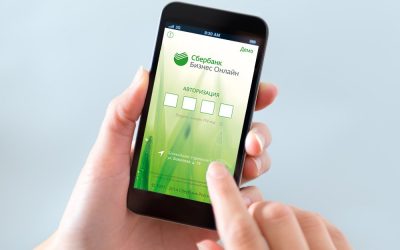
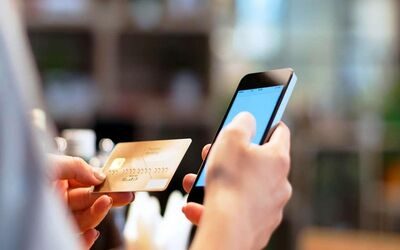

How to protect personal data during a financial application: security checklist
Applying for a credit, credit card, or loan almost always requires submitting passport details, income information, and contact details. This data is a valuable target for fraudsters. Therefore, even before clicking the "Submit" button, you should make sure you are dealing with a reliable source and that your information will not fall into the wrong hands.
In this article, we have gathered general recommendations to help you assess the safety of a platform or service. Please note: at the time of preparing this material, the editorial team has not performed a legal verification of the listed advice and has not tied it to specific products, banks, or laws. To make a final decision, be sure to consult official sources and current editions of regulatory documents.
Verification date: not specified (draft requires verification).
Why data protection matters when submitting a financial application
Personal data, especially passport and financial details, allow malicious actors to take out loans in your name, gain access to your accounts, or make purchases. Losing control of such information can lead to debt, a ruined credit history, and a lengthy recovery process.
Financial institutions are required to comply with certain security rules, but the level of protection can vary. In addition, fraudsters often create fake websites that look very similar to official bank pages. Therefore, verifying the source is the first step to keeping your data secure.
How to check a website or app before submitting an application
Before entering any personal data, make sure of a few simple things:
— The address bar must begin with `https://`, and a closed padlock icon is usually displayed next to it. This means the connection is encrypted.
— The website domain must exactly match the official name of the organization. Check if there are extra characters in the address, letter substitutions (for example, `o` for `0`), or an unusual ending.
— Official banking apps are usually distributed through app stores (App Store, Google Play) and have a "Verified" badge. Cross-reference the developer with the information on the official website.
— If you are visiting the website for the first time, take the time to find information about the organization's license. This can usually be done using public registers on the Bank of Russia website.
Remember: these recommendations are general in nature. Conditions may differ for each specific bank or microfinance organization, so always refer to the original source.
What data must not be shared under any circumstances
There is information that a legitimate financial organization will never request by phone, messenger, or email. We can conditionally highlight several points:
— Your card PIN code.
— The CVC/CVV code (the three digits on the back of the card).
— Passwords from SMS or push notifications received to confirm transactions.
— Online banking login and password.
— Codeword, if set as an additional identifier.
If the person talking to you, claiming to be an employee of a bank or microfinance organization, asks you to name any of these items, they are likely a scammer. Hang up and call the number listed on the organization's official website.
Two-factor authentication and additional security measures
Two-factor authentication (2FA) is an additional layer of security that requires not only a password but also a one-time code (usually from an SMS or app) to log into your account or confirm a transaction.
Whenever possible, enable 2FA on all financial services you use. This will make it harder to access your account even if your password is leaked.
Additionally, you can:
— Use unique, complex passwords for each service.
— Avoid saving passwords in the browser on someone else's or shared devices.
— Regularly check your transaction history in your account.
— Set up alerts for any account activity.
These measures do not guarantee one hundred percent protection, but they significantly reduce risks.
What to do if you suspect a data leak
If you notice suspicious activity (for example, you received an SMS about an application you did not submit, or your account access settings changed), act quickly:
1. Block all cards that may have been compromised through the mobile app or the bank's hotline.
2. Contact the bank or microfinance organization to clarify the situation and, if necessary, submit an application disagreeing with the transaction.
3. Contact law enforcement with a fraud report.
4. Request your credit history to check for any unwanted entries.
Every case is individual, so the procedure may vary. Always consult with official representatives of the organization.
FAQ
How to tell if a bank's website is real?
Check that the address starts with `https://` and the padlock icon is displayed. Compare the spelling of the domain with the official name of the bank. Find mention of this site in the license registry on the Bank of Russia website. If in doubt, do not enter your details — call the bank using the number from its official website. NEEDS_REVIEW — confirmation of current registry addresses and verification procedures is required.
Where can I check a financial organization's license?
The official website of the Bank of Russia in the registries section usually publishes information on active licenses of banks, microfinance organizations, and other market participants. Compare the name and details of the organization with those indicated on its website. NEEDS_REVIEW — a link to the current registry and verification instructions are needed.
Is it mandatory to use two-factor authentication?
This is optional, but strongly recommended. Two-factor authentication adds an extra line of defense even if a password is leaked. Many financial services offer to enable it in their security settings. NEEDS_REVIEW — it is necessary to clarify which specific services support 2FA and how to set it up.
What data must never be shared?
Never share your PIN code, CVC code, SMS passwords, and full online banking login credentials. Real bank employees never ask for such information. NEEDS_REVIEW — confirmation of examples from official safety instructions is required.
What should I do if I gave my data to scammers after all?
Immediately block your cards and contact the bank. File a police report. Check your credit history and, if necessary, dispute unauthorized transactions. NEEDS_REVIEW — links to official contacts and application templates are needed.
Is it okay to store a photo of your passport on your phone?
Storing copies of documents on an unprotected device is risky. If necessary, use encrypted folders or special applications, but even then, complete security is not guaranteed. NEEDS_REVIEW — specific recommendations from cybersecurity experts are needed.
Useful materials
Подберем предложения под вашу ситуацию
Оставьте телефон — покажем варианты с высокой вероятностью одобрения и актуальными условиями.
- Проверенные предложения
- Без звонков от менеджеров
- Результат в удобном канале
Loan term up to 365 days
From %
Amount — up to 100,000 RUB
CREDIT HISTORY —
Loan term up to 30 days
From %
Amount - up to 30,000 RUB
CREDIT HISTORY —
Fee-free withdrawal up to RUB
Up to %
Cashback type —
Cashback —
Other posts