 Bank Zenit
 Renaissance Bank
 LOCO-Bank
 T-Bank
 Bank Sinara
 Credit Europe Bank




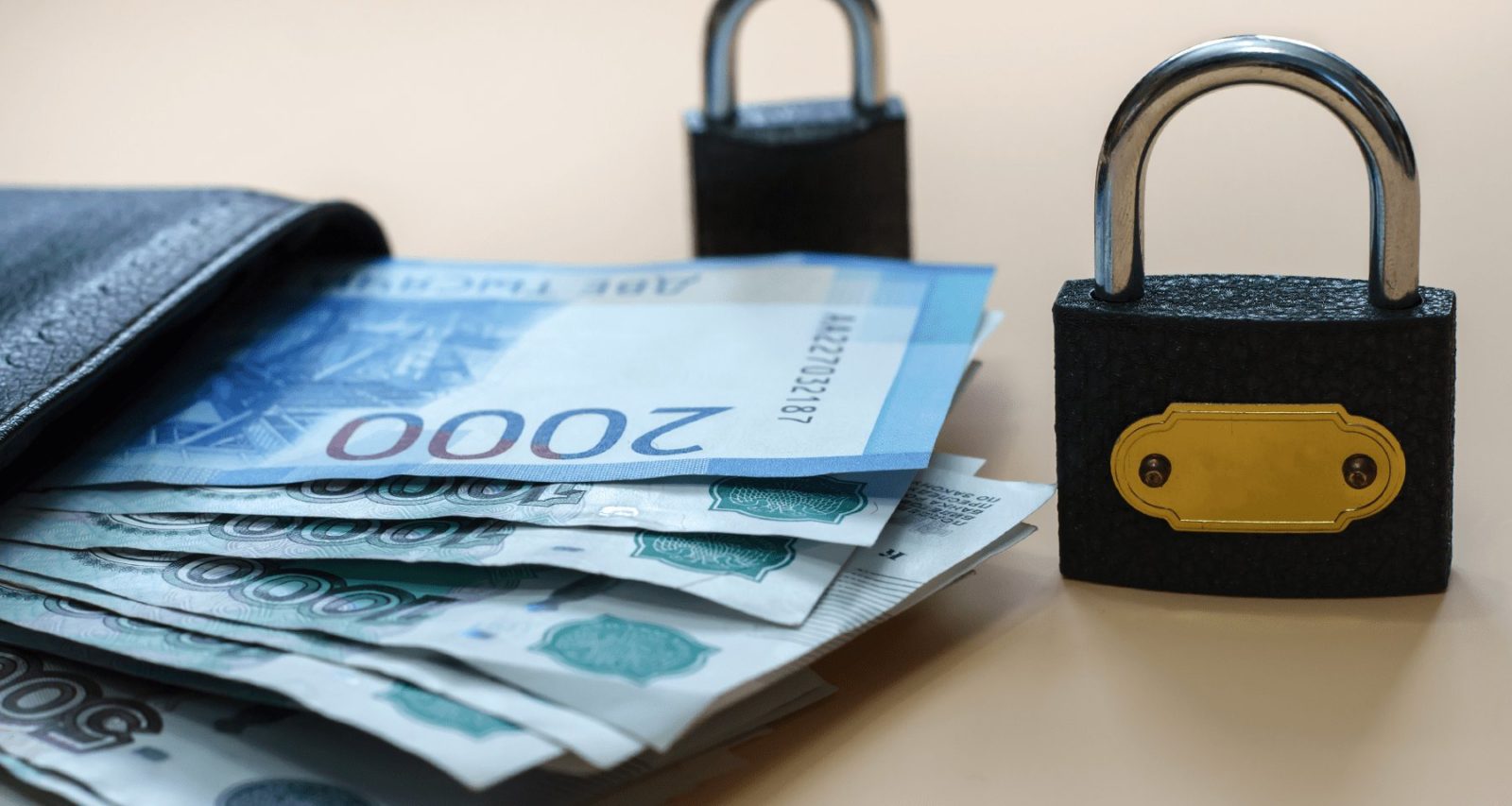
Credit self-ban

Why a credit self-ban is needed
Law enforcement agencies record cases of financial fraud daily, which, in particular, are related to taking out someone else's loans on people. Despite the fact that all common fraudulent schemes have long been known, every day a huge number of people in Russia take out a loan in their own name and hand the money over to fraudsters. To gain the public's trust, malefactors introduce themselves as bank security service employees, bailiffs, prosecutors, and Central Bank employees.
The most popular scam scheme is very simple:
- A person receives a call from a scammer posing as an employee of a government organization.
- They receive a notification that a loan has been taken out in their name and that if they submitted the application themselves, they need to repay the loan urgently. To do this, they need to raise a certain amount in a short time and transfer it to a special account.
- Most often, the person cannot cover the entire debt amount immediately and takes out another loan, the funds from which are used to transfer to the fraudster.
Losing money is always unpleasant, especially if it is borrowed and has to be returned. Such a situation plunges a person into a debt trap, since recovering funds from fraudsters is practically impossible. In this regard, the Central Bank is developing a special bill that will make citizens more secure and help avoid reckless borrowing from banks and MFIs.
Who needs a credit self-ban
Such a feature will be useful for many Russians, since no one is immune to personal data leaks or the accidental loss of identity documents. Despite an adequate level of financial literacy, a person cannot be fully protected from fraudsters and runs the risk of ending up with someone else's loan. This service will also be useful for people lacking knowledge in the financial sector. Roughly speaking, no one is immune to someone else's loan; even individuals holding high management positions can fall victim to fraudsters.
A voluntary loan ban will be especially useful for elderly individuals who often fall for the tricks of scammers. This feature will help protect savings and maintain emotional well-being. It will be possible to connect this service remotely, with relatives or credit institution employees able to assist.
You should take advantage of the opportunity to set a voluntary loan ban if:
- a person never takes out loans or microloans;
- a citizen plans to travel abroad for a long time—this will eliminate the risk of fraud during their absence;
- for the purpose of reducing debt burden—the feature will be useful for people who abuse borrowing.
It will be possible to set and lift the voluntary ban an unlimited number of times, making it a reliable protection against unforeseen incidents.
Подберем предложения под вашу ситуацию
Оставьте телефон — покажем варианты с высокой вероятностью одобрения и актуальными условиями.
- Проверенные предложения
- Без звонков от менеджеров
- Результат в удобном канале
How the self-ban will work
Currently, Russians technically cannot ban banks from issuing loans in their name. With the adoption of the bill, the voluntary ban will serve as a special note in the credit history. Ultimately, this service will help borrowers avoid liability to creditors if the agreement is concluded during the active period of the voluntary ban.
All credit organizations in Russia review a borrower's credit history before issuing a loan. Previously, they only paid attention to the potential client's characteristics, solvency, presence of unpaid loans and lawsuits, and debt burden. With the adoption of the bill, the situation will change, and credit specialists will have to carefully check the credit history so as not to miss the voluntary ban notice.
How to set up a self-ban
To use the service, submitting an application will be sufficient. This can be done in several ways:
- at credit history bureau offices;
- in your account on the Gosuslugi portal;
- through intermediaries—banks, microfinance companies, and other credit organizations will be authorized to set a voluntary loan ban when citizens apply.
The note about the voluntary loan ban will appear in the credit history not immediately after submitting the application, but after a few days. Unfortunately, this feature will not be effective in the event of lost documents or a personal data leak.
Currently, the bill is at the development stage, but it is assumed that it will be of two types: general and selective. In the first case, any loan applications will be blocked. In the second, restrictions can be placed on obtaining a loan only from MFIs or by application type, for example, a person can ban themselves from applying for a loan online, but can still do so during a personal visit to a bank.
Will it be possible to lift the credit self-ban?
Main advantages of the voluntary ban:
- unauthorized loans can be prevented in the event of data leaks or lost documents;
- the service will help avoid reckless loan applications;
- restrictions can be set and lifted an unlimited number of times;
- people with a clean credit history will be able to activate the service;
- the voluntary ban will protect against debts on loans issued during its validity period.
Main disadvantages:
- A week passes from the moment the application is submitted until the voluntary ban takes effect. This time is quite sufficient for fraudsters to process loans and borrowings in the event of an information leak.
- The minimum validity period of the voluntary ban will be 2 days; if money is needed very urgently, it will not be possible to obtain it.
- Information about applications submitted during the validity period of the voluntary ban will be reflected in the credit history. This will affect the credit history.
- You can check whether the service is active only by reviewing your credit history. You can do this for free no more than twice a year.
A voluntary loan ban is an ambiguous feature with certain peculiarities. The main ones are:
- the feature does not protect citizens from information leaks, so after setting it up, one cannot consider themselves completely protected;
- at least 3 days will pass between submitting the first application for a voluntary ban to the credit history bureau and its registration, and this time will be enough for scammers to take advantage of the situation;
- fraudsters can remove the voluntary ban notice if they gain access to the Gosuslugi account.
What to do if someone else's loan is hanging on you
If, when checking their credit history, a citizen notices someone else's loan or borrowing registered to them, they should immediately cancel it. The steps to take are:
- File a statement with law enforcement agencies.
- Contact the bank or MFI that issued the loan and inform them of the fraud. It is best to do this by registered mail, attaching a copy of the police report.
- You should try to find evidence that you did not take out the loan. This can be confirmed by the fact that the account to which the loan funds were credited belongs to another person.
- After the loan agreement is canceled, you need to visit a credit history bureau to correct your credit history.
If the lender refuses to cooperate with the deceived borrower, a complaint should be filed with the Central Bank or Rospotrebnadzor. These organizations will help resolve the situation.
How to protect yourself from fraud
Currently, a voluntary credit ban remains an initiative of the Central Bank. It is still unknown when the bill will come into force. Everyone is personally responsible for the safety of their funds, and to avoid losing them, you should follow these rules:
- under no circumstances leave your passport as collateral or transfer it to third parties;
- do not publish personal information on social media, as fraudsters can use it to provoke you into making reckless decisions;
- account login credentials should be stored in a secure place; they must never be placed in cloud storage or shared folders;
- use a digital card for purchases and do not keep large amounts of money on it;
- enter your card details only on websites protected by secure protocols (the browser address bar should show https instead of http).
Even with all these security measures in place, you should periodically check your personal credit history. This will help you detect fraud in a timely manner and identify any loans or microloans taken out in your name. You can check this completely free of charge twice a year via the Gosuslugi portal.

Loan term up to
From %
Limit - up to RUB
Minimum - from RUB
Loan term up to
From %
Limit - up to RUB
Minimum - from RUB
Loan term up to
From %
Limit - up to 30,000 RUB
Minimum from 2,000 RUB
Other posts