 Bank Zenit
 Renaissance Bank
 LOCO-Bank
 T-Bank
 Bank Sinara
 Credit Europe Bank
Credit Cards with Delivery

Articles about credit cards
AllCredit card reviews
AllEditorial auto-review: The virtual card from the Zaimer service is a convenient financial tool for online settlements. The product is aimed at users who value processing speed and digital accessibility without the need to obtain a plastic carrier. On the pages of the Sravnim24 financial portal, you can get acquainted in detail with the current terms of use, maintenance features, and the procedure for obtaining this card. The service allows you to quickly compare the product's parameters with other market offers before making a decision.


Editorial auto-review: The Privilegiya Credit Card of Opportunities from VTB Bank is a premium bank card with an extended grace period of up to 200 days. The credit limit for the product reaches 1,000,000 RUB, and the base interest rate is 24.9% per annum. The card maintenance cost is 2,990 RUB. Application is available to citizens aged 18 and older without income certificates, with cashback of up to 50% provided. Applications are reviewed starting from 5 minutes. The issuance and maintenance terms allow you to effectively manage personal finances within a premium service package.

Editorial auto-review: The 115 Days 0% Interest credit card from Ak Bars Bank is a classic offering featuring free maintenance and a grace period of up to 115 days. You can apply starting from age 18 without providing income certificates, and a decision is made starting from 15 minutes. Cardholders get access to up to 20% cashback and a credit limit of up to 300,000 RUB. This is a functional financial tool for everyday purchases with a long interest-free period.
Best offers
All


Today, almost every Russian has a credit card. And if they don't, they are at least thinking about getting one. Let's explain what a credit card is, what it is used for, how it differs from a standard consumer loan, and what to look for to choose the most profitable credit card.
What is a credit card and what is it for?
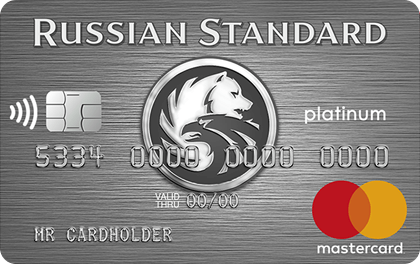
The difference between a credit card and a debit card is that it already has money on it. However, these funds belong not to the cardholder, but to the bank. A credit card looks standard. It is a plastic card that displays the following information:
- the logo of the payment system servicing the credit card;
- the logo of the bank that issued the credit card;
- a unique six-digit number;
- the credit card's expiration date;
- the cardholder's first and last name in Latin characters;
- a contactless payment chip;
- magnetic stripe;
- holder's signature;
- a security code for online payments;
- bank details — hotline phone number and address.
The amount available to the cardholder immediately after receipt is called the credit limit. It depends on many factors: the client's credit history, debt load, place of employment, salary level, and so on. That is, for someone the credit limit might be 10,000 RUB, and for someone else — 300,000 RUB.
Despite the fact that this money belongs to the bank, the cardholder can use it at their discretion:
- spend it on daily expenses — for example, buying groceries or paying for household needs;
- buying clothes, shoes, appliances, and so on;
- paying for housing and communal services, mobile communications, and internet;
- withdrawing cash;
- transferring money to other people;
- repaying more urgent debts, and much more.
A feature of the credit card is the grace period. This is the time when the credit card owner can use borrowed funds without paying interest. It is worth noting that the interest-free period does not apply to all transactions.
Most banks do not charge interest only on cashless payments for goods and services. For some credit cards, the grace period also applies to cash withdrawals, transfers, and equivalent operations. But this is rare. For most of the payments listed above, credit organizations charge high interest.
How does a credit card differ from a consumer loan?
A credit card and a standard consumer loan have something in common. In both cases, the borrower receives borrowed funds for personal needs. And in both cases, the person must repay the debt to the bank.
However, these two products have more differences:
- When a person takes out a consumer loan, they receive the entire amount specified in the loan agreement immediately. In the case of a credit card, the borrower can spend as much as they need right now, and can do so at any time.
- A consumer loan always involves an interest rate. That is, if a person takes out a loan, their overpayment starts accumulating from the first day of using the money. A credit card features a grace period during which you do not have to pay interest for using borrowed funds.
- If a person needs money again after fully repaying the debt, they will have to apply for a loan once more. A credit card limit, however, is revolving. You can use it immediately after paying off the previous debt.
A credit card is a banking product that is easier to apply for and use. It is suitable for both everyday expenses and large purchases. A consumer loan is better to take when a person needs a large sum for a long period.
How to choose a credit card correctly?
There are currently many credit card offers on the market. Even a single bank has several types of credit cards, and there are hundreds of such credit institutions. At the same time, we do not recommend applying for the very first credit card you come across, as you might miss out on a truly profitable offer. To prevent this from happening, let's look at what to pay attention to when choosing a credit card.
Credit limit
Here we recommend paying attention to the minimum and maximum amounts. Getting the maximum credit limit right away is difficult, especially if the person does not receive their salary in an account opened with that bank or is not a client of the credit institution at all. In this case, the minimum amount will be available to them.
However, in the future, the cardholder will be able to increase the limit if they use the credit card regularly and do not allow overdue payments.
Grace period
In some banks, the interest-free period can be just 55-60 days. In other companies, it can reach 4 months. Some banks even offer credit card holders installments for up to 12 or 24 months.
When choosing a credit card with a grace period, we recommend paying attention not only to its duration, but also to the transactions it applies to. It is better if the interest-free period applies not only to cashless payments for goods and services, but also to cash withdrawals and transfers of borrowed funds.
Limit
period
 SberCard credit card from Sberbank
 Interest rate
The interest rate on credit cards is always higher than on standard consumer loans. Therefore, in this case, we recommend looking for credit cards with the lowest overpayment compared to the overall market average.
Maintenance cost
Credit card maintenance is usually subject to a fee. However, some banks offer cardholders free credit card use under certain conditions, such as spending a specified amount per month or signing up for a paid subscription. It is even better if the credit card is completely free, with no conditions attached.
It is also worth paying attention to the cost of additional services, such as notifications for mandatory payments or deposits and withdrawals. Typically, the cost of such options ranges from 59 to 149 RUB per month.
Free transfers and cash withdrawals
Such operations are usually subject to fees. When withdrawing cash or transferring borrowed funds, credit cardholders often have to pay not only the interest rate for using the money, but also a transaction fee. Therefore, we recommend choosing credit cards that offer free transfers and cash withdrawals.
Bonus program
Nowadays, almost all credit cards offer cashback for purchases. We recommend choosing credit cards that allow you to select enhanced cashback categories.
Conclusion
To sum up, a credit card can be a convenient and profitable payment tool, provided you follow a few simple rules:
- choose a credit card that fits your needs and preferences;
- avoid transactions that incur fees and interest rates;
- pay off the debt before the grace period ends.