 Bank Zenit
 Renaissance Bank
 LOCO-Bank
 T-Bank
 Bank Sinara
 Credit Europe Bank
Installment cards

Articles about credit cards
AllCredit card reviews
AllEditorial auto-review: The virtual card from the Zaimer service is a convenient financial tool for online settlements. The product is aimed at users who value processing speed and digital accessibility without the need to obtain a plastic carrier. On the pages of the Sravnim24 financial portal, you can get acquainted in detail with the current terms of use, maintenance features, and the procedure for obtaining this card. The service allows you to quickly compare the product's parameters with other market offers before making a decision.


Editorial auto-review: The Privilegiya Credit Card of Opportunities from VTB Bank is a premium bank card with an extended grace period of up to 200 days. The credit limit for the product reaches 1,000,000 RUB, and the base interest rate is 24.9% per annum. The card maintenance cost is 2,990 RUB. Application is available to citizens aged 18 and older without income certificates, with cashback of up to 50% provided. Applications are reviewed starting from 5 minutes. The issuance and maintenance terms allow you to effectively manage personal finances within a premium service package.
Editorial auto-review: The 115 Days 0% Interest credit card from Ak Bars Bank is a classic offering featuring free maintenance and a grace period of up to 115 days. You can apply starting from age 18 without providing income certificates, and a decision is made starting from 15 minutes. Cardholders get access to up to 20% cashback and a credit limit of up to 300,000 RUB. This is a functional financial tool for everyday purchases with a long interest-free period.
Best offers
All


When you urgently need to pay for a major purchase and lack your own savings, you can use borrowed funds. To do this, you can apply for a consumer loan, credit card, or installment card. In all three cases, a person receives a certain amount and then repays the debt according to a pre-arranged schedule. We will explain what an installment card is, how it differs from a loan and a credit card, and when it is better to use it instead of a credit card.
What is an installment card?
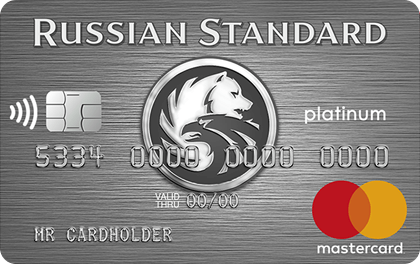
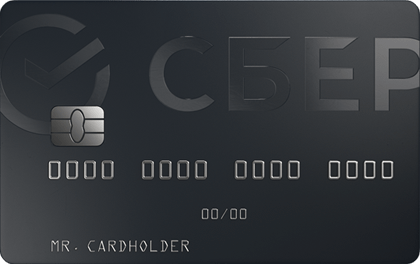
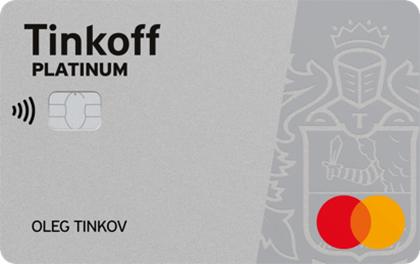
Externally, an installment card looks like a regular bank card. The plastic carrier typically contains the following information:
- the logo of the bank that issued the card;
- payment system logo;
- a unique 16-digit bank card number;
- card expiration date;
- cardholder's first and last name;
- a contactless payment chip;
- magnetic stripe;
- a contactless payment chip;
- security code;
- cardholder's signature;
- the phone number of the bank that issued the card.
An installment card can be used like a regular credit card to pay for goods and services in regular stores and online, using bank funds. Some cards also allow you to hold your own funds. To pay for purchases with your own money, you need to top up the installment card above the approved credit limit.
In terms of operation, installment cards are similar to regular credit cards. The card is also linked to a bank account through which all transactions are carried out. After concluding the agreement, there is an approved limit on the card account within which the borrower can pay for purchases. This available amount can be increased if the cardholder uses it regularly and avoids overdue mandatory payments. However, the limit can also be reduced if the borrower fails to fulfill their obligations properly.
How does an installment card differ from a loan and a credit card?
You could say that an installment plan is essentially the same as a loan. However, it usually does not require a down payment or any overpayment for the borrower. In fact, a person who pays for a purchase in installments receives the required amount from the bank and returns it in equal payments within an agreed timeframe.
But this does not mean that such a loan has no interest rate at all. The bank issues money at interest in any case. However, the store reduces the cost of the goods by the amount of the overpayment, and for the buyer, it looks like an interest-free installment plan.
As a result, everyone wins:
- it is profitable for the bank when clients use its services to pay for purchases, because it receives a small commission for each transaction;
- the store attracts new customers with favorable terms and can even sell expensive goods;
- buyers save on overpayments and make large purchases quickly and profitably.
The main difference lies in the repayment procedure. The debt must be repaid monthly in equal parts, but the bank does not deduct interest from each payment. Typically, consumer loan repayment schedules are structured so that in the first months, interest makes up a large part of the payment, and at the end of the term, a smaller part. This does not happen with an installment plan, since there is no interest for the client. Instead, the bank charges a one-time fee for using the service.
Credit cards have a grace period. This is the period during which credit card holders can use bank funds without accruing an interest rate. Usually, the grace period ranges from 50 to 200 days. With an installment card, interest is not accrued throughout the entire period of using the money, which can range from 2 months to 2 years. However, keep in mind that the longer the repayment period, the higher the one-time fee will be.
What purposes are installment cards best suited for?
We recommend applying for an installment card in the following cases:
- when you need to make a major purchase and cannot wait to accumulate your own funds;
- when you do not want to overpay the bank a large sum due to a high interest rate;
- if you need to arrange a purchase on credit for a long term — 6 months or more, and do not want to burden your budget with a large monthly payment;
- if you want to improve your credit history without getting into a large consumer loan;
- if you already have a credit card, but its grace period is not enough to make a large purchase without harming your budget.
When choosing between a credit card and installment plan, it is important to consider all potential expenses to determine which option will be the most profitable.
Pros and cons of an installment card
An installment card, like any other banking product, has its pros and cons. Let's start with the pros:
- there is no need to save money for months to buy the desired item;
- you can pay for the purchase on the day you visit the store, and then pay off the debt to the bank in equal installments over an agreed period;
- if you avoid missing mandatory payments, there will be no overpayment on the installment plan;
- you can independently choose the term for the credit — from 2 to 24 months depending on the terms of a specific card;
- for most installment cards, the service can be activated online through your personal account.
Such a product also has its drawbacks:
- if you miss even a small mandatory payment, the bank will charge a penalty for violating the terms of the agreement;
- for most cards, the installment plan does not apply to cash withdrawals and money transfers — in addition to the fact that the bank charges an interest rate on such operations, it also
- charges high commissions;
- if a person with a bad credit history applies for an installment card, they may be refused issuance;
- sometimes interest-free installments are available only in specific partner stores.
Usually, an installment plan has a limited repayment term, which rarely exceeds one year. This can be either an advantage or a disadvantage, depending on a person's preferences. Some prefer to pay off the debt as soon as possible, while others would like to increase the term to reduce monthly payments and financial pressure on their budget.
Since an installment plan is essentially a loan, information about it ends up in your credit history. This can affect the decision to issue a new loan or mortgage if the bank decides that the client will not be able to service both debts simultaneously. Overdues and debts on installment plans can lower the borrower's credit score, but timely repayment of the full amount can have a positive impact on the credit history.
What should you pay attention to when applying for and using a card?
An installment card is the same credit product. Therefore, you should use it with caution. When applying for and using the card, we recommend paying attention to the following:
- Extended installments — up to 12 or 24 months, are not available on all cards. Therefore, it is better to study the offers of specific banks and stores in advance. For example, at T-Bank, in some stores you can arrange a purchase on an installment plan for a term of 2, 4, or 6 months.
- Some installment cards cannot be used at all stores, but only at those participating in the credit institution's partner program. We recommend reviewing the list of these stores in advance. It is possible that most of them will not be useful to you.
- Sometimes, when paying for an item with an installment card, you cannot buy it at a discount. In such cases, an interest-free loan may be unprofitable. Sometimes it is better to pay for the purchase with cash, but take advantage of a promotional offer.
- Many people who have an installment card make spontaneous, unnecessary purchases—ones they would not have paid for with cash. As a result, a person's debt burden increases and the risk of falling into a debt trap arises. Therefore, when using an installment card, we recommend soberly assessing your needs and financial capabilities.
- Installment card payments should be made on time. If the terms of the agreement are violated, the bank charges a penalty and reports the overdue debt to the Credit History Bureau. Thus, even the slightest delay can damage a borrower's credit history.
Conclusion
To sum up, an installment card can be beneficial when a person needs to make a large purchase here and now and cannot afford to save money from their salary for months. At the same time, you must understand that not all cards offer a long interest-free period—this depends on the terms of the specific bank and store. In most partner organizations, you can purchase goods in installments for a period of 2 to 6 months. In rare cases, installments of up to 12 or 24 months are available.
Limit
period