 Bank Zenit
 Renaissance Bank
 LOCO-Bank
 T-Bank
 Bank Sinara
 Credit Europe Bank






Credit defaulters black list

How to check if you are on the credit debtor database black list
You need to check your credit history once a year, but most Russian citizens ignore this advice. Therefore, situations arise when an applicant applies for a consumer loan and is refused. The reason is a spoiled reputation.
In such a situation, you should not panic.
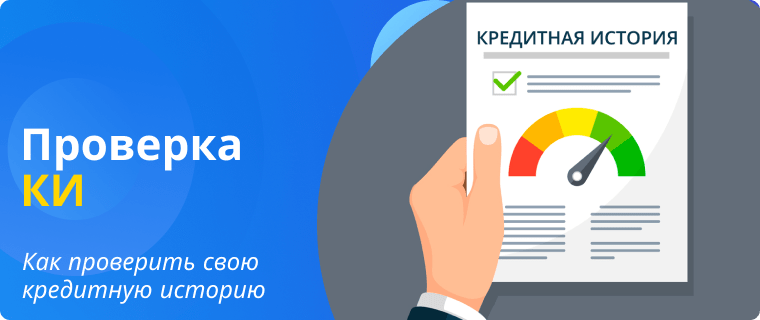
- Send a request to the Central Credit History Catalog and find out which credit history bureau holds the file in your name. Send requests to each of them.
- Go to the official website of the FSSP and fill in the required fields in the "Enforcement Proceedings Database" section. Enter your last name, first name, and patronymic. Indicate your date of birth and the region where the loan agreement was issued.
On the same website, you can clear all your debts. Or someone else can make the payments for you.
- Via the internet. Some companies offer to check your credit history online (OKB, Russian Standard, and Equifax). To get the necessary information, deposit funds into your account and submit an application.
- Through partners. Pochta Bank and Sberbank agents also offer a paid credit history check service.
- Through additional services.
Information from credit bureaus arrives within a few days. As soon as it is ready, carefully review the sent information. It is possible that paid services were attached to debit installment cards while you haven't used the payment instrument for a long time.
Another option is that the bank forgot to transfer information about the repaid loan, even though you have the receipt on hand.
If such errors are discovered, submit a request to the credit bureau asking to make changes to your credit history. Do not forget to provide certificates confirming your non-involvement in the errors that occurred.
The Kommersant newspaper reported that as of April 23, 2018, more than 6 million citizens were blacklisted by banks and microfinance organizations.
Which debtors end up on the blacklist

You can get on the credit institution's blacklist if:
- the money was not returned;
- a long-term delinquency was allowed;
- your debts were sold by the financial company to collectors;
- the case was brought to court and debts were collected by its decision;
- there was an attempt to take out a loan using forged documents. In this case, both the person who applied for the loan and the person in whose name it was attempted to be issued can end up on the blacklist.
All information concerning the interaction between the client and the bank goes to credit bureaus, regardless of what you applied for: a consumer loan, installment plan, auto loan, or mortgage. Even if you withdrew money from a credit card, such information is also sent to credit bureaus.
Each bank also maintains its own statistics, which are formed based on customer information and credit history. If a client did not allow delinquencies and did not violate lending terms, they have a high rating. The more violations, the worse the statistics.
Note! All data transmitted to credit bureaus is available not only to banks, but also to other financial institutions. The worse the borrower's history, the lower the chances of getting a loan on suitable terms.
Each bank also maintains its own stop lists. These include lawbreakers, fraudsters, and individuals with mental illnesses. If you provided false information to the credit institution even once, you are likely on the stop list as well.
What a borrower application looks like
A blacklist is not a hand-written document. It is compiled based on information provided by microfinance companies or banks. To find out if a person is on the blacklist, a bank employee enters the client's passport and personal data, identification number, and retrieves the necessary information.
In addition to such data, borrower applications contain information about loan amounts, financing terms, fines, and delinquencies.
Under Russian law, deleting existing information in the application is prohibited. Positive records can be added to it, which will help smooth out the situation with a damaged reputation.
Before applying for a loan, you can independently check your statistics.
Access acquisition
Under Russian law, every Russian citizen has access to financial operations. To find out by your last name if you are on the blacklist, request this information from a credit bureau.
You can get remote access to your credit history via the Gosuslugi portal (Taxes and Finances section).
Good to know! Credit history information is issued by bureaus for free twice a year. For a fee, as many times as you like through both banks and microfinance organizations.
Loan debtor data is usually not stored in the public domain. An exception is the cases of borrowers that have been transferred to the Federal Bailiff Service. Information gets here under the following conditions:
- the credit organization decided to seriously pursue debt collection from the borrower and filed a lawsuit against the debtor;
- debt proceedings were initiated;
- during the hearing, the court decided to recover the money from the borrower;
- the case was sent to bailiffs who will collect funds through property seizure.
Under other circumstances, you will not find information about debtors.
Which debts are the most serious
Banks or microfinance organizations do not send a borrower to the blacklist or damage their reputation for all delinquencies. The larger the delinquency, the bigger the problem. For example, if you violated loan repayment terms by no more than 10 days, this is considered a technical delay, for which fines are often not charged.
Note! If you are unable to repay debts on time, use loan extension. The service allows you to stretch the contract term and keep your reputation clean.
If the borrower does not return the money within 90 days, a special bank department begins working with them to help the client get out of a difficult situation. For example, bank employees may advise applying for credit holidays, refinancing, or restructuring the loan.
Good to know! To avoid ruining your reputation, it is better to seek help yourself. Do not wait for the bank to call and offer its own way of solving the problem.
Active actions by the creditor begin to be applied for delinquencies of more than 90 days. At this stage, the security service starts working with debtors. If the client does not want to contact the bank, their debts are sold to collectors.
Borrowers who do not repay debts even after a court ruling not only end up on the Blacklist and have their bank accounts blocked, but their debts are also covered by writing off funds that arrive on debit cards. Sometimes the borrower's property is seized or confiscated to pay off debts. If there is a "historical" debt, a citizen will not be able to get money even from an MFC.
What debts to banks can lead to
"Historical" debts entail unpleasant consequences. First, the debtor will not be able to leave the country. Second, they will not be allowed to start their own business. Third, transfers to their name will be prohibited. Getting a job that involves financial liability will also be problematic.
The bank has the authority to seize all accounts of a defaulter through the court.
Did you know? Sometimes you can end up on the Blacklist against your will. Therefore, if you did not take out a loan, but financial companies keep calling and demanding that you pay off debts, do not hang up. To preserve your reputation and peace of mind, provide maximum assistance to the bank and MFC to clarify the real circumstances.
Подберем предложения под вашу ситуацию
Оставьте телефон — покажем варианты с высокой вероятностью одобрения и актуальными условиями.
- Проверенные предложения
- Без звонков от менеджеров
- Результат в удобном канале
Why it is important to restore your reputation
If your credit history is damaged, it needs to be improved. Having a bad history will negatively affect you if you try to get a high-paying job or a good position.
Credit history is also of interest to insurance agents. If your financial situation is critical, you may be denied insurance.
Ways to improve your credit rating
Many Russians find it difficult to get by without banking financial assistance. To prevent a consumer loan application from being rejected, you need to monitor your credit file. If your reputation is damaged, it can be improved. There are several ways to do this.

Applying for a credit card
Getting a credit card is much easier than taking out a loan. Therefore, if you have outstanding debt, try to get a card. If the bank gives the green light, use this payment tool for shopping in stores, buying train and plane tickets, and paying utility bills.
Don't forget to top up your card account on time to avoid accumulating additional debt.
Taking out a microloan from microfinance organizations
The easiest and fastest way to improve your credit rating is to take out a small loan from an MFO. Microfinance companies are more loyal to clients, so they often turn a blind eye to existing debts and a damaged credit history.
A real-life example. Valentina had two open loans with banks and one loan with an IFC. Since the overdue payments ranged from 6 to 9 months, bank employees regularly called the woman, and one debt was sold to collectors, which caused major problems. Although her children helped Valentina pay off the loans, her credit rating was ruined. All banks and MFOs turned her away. One day, the woman saw that a microcredit company was offering help in improving credit ratings. She took advantage of the offer and took out a small loan for a couple of days. She took out several more loans with the same company in this way and repaid them on time. Her credit rating improved, and she became a welcome client for many banks and MCCs.
If even MFOs are not ready to issue a loan, apply for a secured loan. There are very few companies that would refuse to issue funds against collateral.
Taking out a consumer loan at a store
Small loans are issued not only by banks, but also by stores. You won't be able to get a loan in cash, but you can easily purchase goods in installments. The most popular stores where you can get a consumer loan include: Mnogo Mebel, Svyaznoy, MegaFon, Adamas, and others. Just a passport is enough to complete the purchase.
Remember, if the debt is paid off, your rating will improve. Therefore, do not take on too many goods. It is better to buy one item at a time and pay off debts on time.
Pay off at least one of your debts
If you have outstanding loans, try to pay off at least one debt. Start with the smallest one.
Several cards and loans can be refinanced. Paying off one debt is easier than several.
If you want the bank to restore its loyal attitude toward you after paying off your debts, open a deposit account with the bank and top it up regularly. This will prove your solvency. To prove your responsibility, pay alimony, utility bills, and taxes through the bank. To ensure the credit organization sees that you have a good income, open not only a deposit account, but also a payroll account.
If you fail to improve your reputation using these methods, only one option remains: enter waiting mode. Most times, after a certain period, information is cleared due to the statute of limitations, and your history becomes crystal clear again.
To sum it all up, untimely loan repayment entails a lot of trouble.
| Consequence | Explanation |
| Addition to the Blacklist | Rejections for consumer loans (mortgages, auto loans) at banks and MFOs |
| Account blocking | The creditor can achieve the blocking of accounts from which debts will be automatically repaid. |
| Legal proceedings. | Property is seized and sold at auction. |
| Imprisonment | The debtor may receive a prison sentence. |
Loan term up to 365 days
From %
Amount — up to 100,000 RUB
CREDIT HISTORY —
Loan term up to 30 days
From %
Amount - up to 30,000 RUB
CREDIT HISTORY —
Fee-free withdrawal up to RUB
Up to %
Cashback type —
Cashback —
Other posts